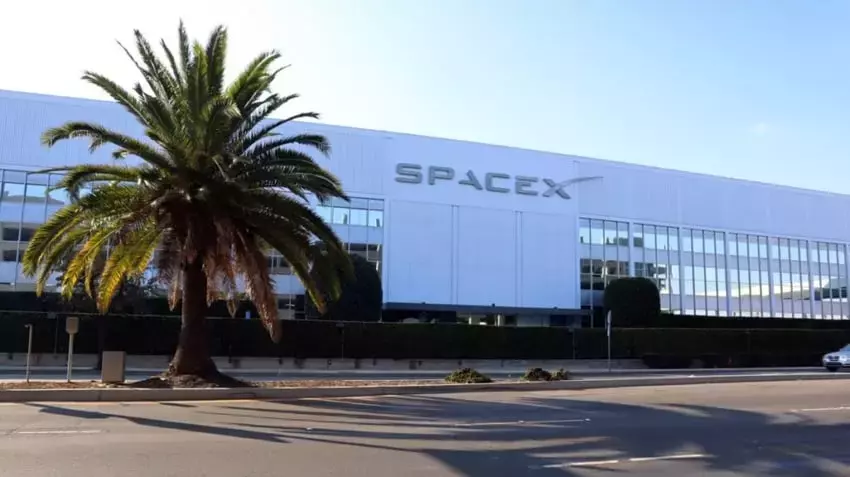
SpaceX is nearing its highly anticipated Initial Public Offering (IPO) on the NASDAQ in June, a significant event that has already stirred considerable activity within cryptocurrency markets. A burgeoning shadow market, facilitated by platforms such as Trade.xyz, allows individual investors to engage in speculative trading on SpaceX's projected market capitalization well before its public debut. This early trading has driven up contract values, highlighting intense market interest in the space exploration giant. Analysts suggest that the IPO could be among the largest ever, with projections indicating Elon Musk's holdings alone might exceed $600 billion. SpaceX, under Musk's leadership, is renowned for its Starlink satellite internet service, its ambitious space travel initiatives, and its connections to artificial intelligence ventures like xAI and the social media platform X.
The Pre-IPO Dynamics and Market Enthusiasm for SpaceX
The impending public offering of SpaceX has ignited a frenzy of activity, particularly within the crypto sphere, where synthetic products are enabling early price discovery. Platforms like Trade.xyz have launched futures contracts that mirror the anticipated valuation of SpaceX, allowing retail investors to participate in this speculative market. These contracts have already demonstrated a substantial appreciation in value, signaling robust market confidence and a keen interest in the company's future performance. This pre-IPO trading environment is unique, offering a glimpse into how the broader market perceives SpaceX's potential. Investment banks such as Goldman Sachs and Morgan Stanley are spearheading the offering, with a target of raising an estimated $70 billion, positioning this IPO as a historic financial event.
SpaceX's journey to this IPO stage is marked by remarkable achievements, including the widespread success of Starlink, its lucrative satellite internet service, and its pioneering efforts in reusable rocket technology. The company's collaborations with NASA for orbital missions further solidify its position as a leader in space exploration. Beyond its core space activities, SpaceX has expanded its influence through its merger with xAI, the developer of the Grok AI product, and its association with X. While the AI division is still in its growth phase, Musk envisions the IPO as a catalyst for further expansion in AI computing. The dual-class share structure, however, raises questions about shareholder influence, as Musk retains significant control over voting rights, underscoring the importance of investor trust in his leadership. The current market valuation targets, potentially reaching $1.8 trillion, are closely linked to the perceived success of these interconnected ventures.
Regulatory Challenges Amidst Growing Synthetic Trading Markets
The rise of synthetic pre-IPO products, particularly those linked to private companies like SpaceX, has brought significant regulatory questions to the forefront. Major cryptocurrency exchanges, including Binance, OKX, and Bitget, have also begun offering similar products, reflecting a growing demand for early exposure to high-profile private companies. However, this burgeoning market operates in a regulatory gray area, with concerns regarding the information gap for investors. Unlike publicly traded entities, private companies are not subject to the same disclosure requirements, leaving synthetic traders reliant on market speculation and oracle data rather than verifiable company fundamentals. This lack of transparency can create significant price discrepancies and expose investors to heightened risks.
Regulatory bodies like the SEC and CFTC are actively deliberating on how to classify these novel crypto products. Whether they should be considered securities, derivatives, or a new category altogether remains an open question. Legal experts point to potential compliance issues with existing regulations and the risk of unauthorized trading in synthetic markets. The reliance on market data, rather than direct company information, highlights a misalignment between trading prices and actual company performance. Despite these regulatory uncertainties, shadow markets, exemplified by platforms like Hyperliquid, continue to thrive, offering avenues for hedging and speculation in traditional markets during times of geopolitical tension. The substantial trading volumes observed in the SpaceX perpetual contract indicate a strong market appetite for access to major private companies, suggesting that if these synthetic contracts align with eventual listing prices, this form of blockchain-based trading could see continued expansion.