Trending Searches
Shanghai Film Festival: Boosting China's Cinematic Tourism Boom

Cinema's Scenic Journey: Exploring China Through Film
The Rise of Cinematic Travel in China
China's film industry has faced challenges in matching its previous box office highs. However, a strategic push by the government to integrate cinema with tourism has provided a significant uplift to the broader domestic economy. This initiative leverages the popularity of films to attract tourists to their filming locations.
Recent Film Successes Fuel Tourism Spikes
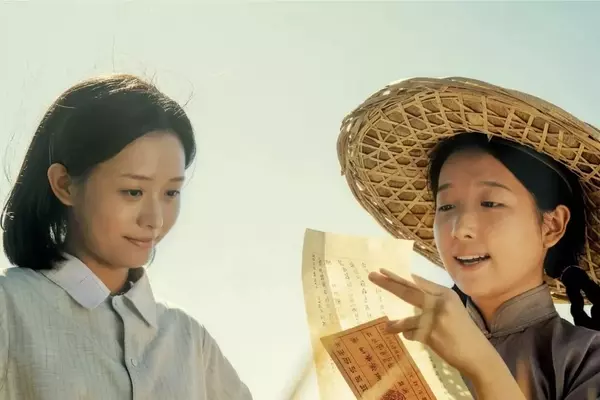
Recent cinematic releases have demonstrably impacted tourism. For instance, the Lunar New Year hit Pegasus 3 led to a 71 percent year-over-year increase in hotel bookings in Delingha, Qinghai province, during the holiday. Similarly, the contemporary box office success Dear You has reportedly doubled flight bookings to the three cities where the family drama is set: Shantou, Chaozhou, and Jieyang.
Government Initiatives: "Film-Plus" Programs
Both local and national tourism bodies, alongside the Chinese film sector, are actively championing the "film-plus" strategy. This effort includes campaigns such as the China Film Administration's "Taste Cuisine with Films" and "Shopping with Films," designed to further integrate cinematic experiences with local culture and commerce.
Shanghai International Film Festival's Strategic Embrace of Film Tourism
The Shanghai International Film Festival is embracing this trend with its "Grand Landscape: A Cinematic Portrait of China" program. This curated selection features 15 Chinese classics, spanning back to 1960, which are renowned for showcasing China's most celebrated scenic locations. The festival aims to highlight the visual richness and cultural diversity embedded within Chinese cinema.
Festival Programmer's Insights on Film-Driven Destinations
Freda Fan, a senior manager at the Shanghai International Film & TV Events Center, notes the growing popularity of film tourism over the past five years. She cites examples like Ne Zha 2, which made Yibin in Sichuan a popular tourist spot, and the Creation of the Gods series, boosting interest in Henan's heritage sites. In Shanghai, films like B for Busy and Her Story have transformed everyday city scenes, such as alleyways, cafes, and grocery stores, into popular destinations for "City Walk" tours among young people.
Encouraging Exploration Through Classic Chinese Cinema
SIFF actively promotes local attractions linked to films, using the "Grand Landscape" program to inspire broader travel. Classic films such as the 1960s musical Third Sister Liu, celebrated for its stunning depictions of southern China's Guangxi region, and Tsui Hark’s 2014 action film The Taking of Tiger Mountain, set in the snowy peaks of Heilongjiang province, serve as prime examples of how cinema can draw attention to diverse geographical wonders.
A Geographic and Cultural Journey Through Film
Fan explains that the program aims to offer a concise overview of Chinese cinematic history from a geographical standpoint. The selection emphasizes both the artistic depth of Chinese films and the country's rich cultural diversity and the enduring legacy of its filmmakers. The chosen films, known for their high artistic merit, represent distinct regions and cultures, from the Tibetan mountains to Hainan Island, and from the Yellow River to the Yangtze River. Many are beloved classics, familiar to generations of viewers.
Media Spotlight on Film Tourism's Economic Impact
State-run media in China has extensively covered the film tourism phenomenon, focusing on the influence of films like Dear You on eastern Guangdong province. This coverage often highlights the ripple effect of the world's second-largest film market on local economies. A report from the China Film Administration recently indicated that every yuan generated at the domestic box office contributes 15.77 yuan to related industries across the country, with tourism being a primary beneficiary.
A Glimpse into China's Rich Tapestry
Fan acknowledges that 15 films can only offer a limited perspective on China's vast diversity. Nevertheless, she views the program as a meaningful effort to showcase the nation’s beauty and compelling narratives by revisiting its cinematic heritage, inviting audiences to explore the country's multifaceted charm.
Related Articles

Anthony Chen Leads Shanghai Film Festival's Asian New Talent Jury and Unveils First TV Series
Shanghai International Film Festival Champions Emerging Asian Cinematic Talent