Trending Searches
Sarah Snook's Post-Succession Triumph: Embracing Complex Roles in 'All Her Fault'

After concluding her Emmy-winning tenure on "Succession," Sarah Snook was initially reluctant to dive into another television series, particularly while raising a newborn. However, the unique opportunity to film "All Her Fault" in her home country of Australia, combined with the project's gripping narrative and nuanced characters, ultimately proved irresistible. Her compelling performance as Marissa Irvine, a mother grappling with the abduction of her child, has captivated audiences, transforming the series into a significant triumph for Peacock.
The Transition from Corporate Powerhouse to Grieving Mother
Sarah Snook’s decision to take on the role of Marissa Irvine in “All Her Fault” marked a significant departure from her iconic portrayal of Shiv Roy in HBO’s “Succession.” After a demanding theater run in “The Picture of Dorian Gray,” where she tackled 26 roles, Snook was initially hesitant to commit to another television project, especially one that would require her to be away from her family, including her newborn daughter. The prospect of filming in Australia, however, presented a unique advantage that aligned with her personal life, making the challenging new role more feasible. This geographical flexibility allowed her to consider a project she might otherwise have dismissed due to family commitments.
Upon reading the script for "All Her Fault," Snook was drawn to its thriller genre, a new territory for her in episodic television. She recognized that beyond the intricate plot twists, the series offered deeply human and compelling interpersonal dynamics, crucial for audience engagement and repeat viewing. Her character, Marissa, an upper-middle-class mother whose son mysteriously vanishes, presented a stark contrast to the emotionally guarded Shiv Roy. Snook found Marissa’s charismatic, caring, and discerning nature closer to her own, allowing her to explore a character defined by a raw, visceral experience rather than strategic coldness. This shift allowed Snook to delve into the profound emotional depths of a parent's worst nightmare, portraying a woman whose world unravels as she discovers unsettling truths about her husband and those around her.
Embracing the Intensity: Portraying Parental Grief and Production Insights
The most demanding aspect of embodying Marissa Irvine was maintaining a constant state of panic and grief, a challenge Snook navigated by exploring the varying intensities of fear. She consciously worked to ensure that Marissa's emotional turmoil exhibited a spectrum of shades, preventing the portrayal from becoming monotonous. This meticulous approach allowed for moments of intense engagement with fear, balanced with periods of subtle apprehension, ensuring that the emotional arc provided a compelling payoff throughout the series. The costume design, led by Gypsy Taylor, further aided Snook in her performance, with layered or minimalist clothing choices reflecting Marissa’s emotional vulnerability and resilience in different scenes.
Becoming a parent herself significantly informed Snook’s ability to access the profound emotional landscape required for the role. While not naturally an anxious individual, her experience with motherhood provided an empathetic gateway to understand the nuanced terror of a missing child, enriching her imaginative world and allowing for a more authentic performance. Beyond her acting, Snook also served as an executive producer on the series, drawing inspiration from her past experiences on "Succession." She admired the egalitarian mindset of its creators, Jesse Armstrong and Mark Mylod, where despite a necessary hierarchy, the value of each individual's contribution was recognized. This collaborative and respectful environment fostered a strong sense of commitment from the entire team, a philosophy Snook aimed to replicate on "All Her Fault." The show's unexpected success, attracting millions of new subscribers to Peacock, surprised Snook, highlighting the enduring appeal of collective viewing experiences in an increasingly fragmented media landscape.
Related Articles
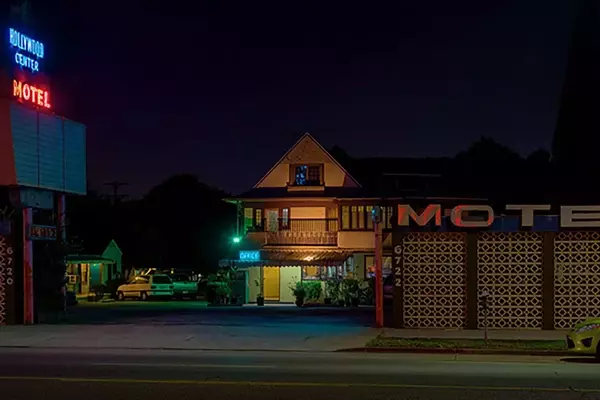
Hollywood's Fading Landmark: The Mysterious Blaze of the Center Motel

From 'Interview with the Vampire' to 'The Vampire Lestat': A Glamorous Third Season Unveiled