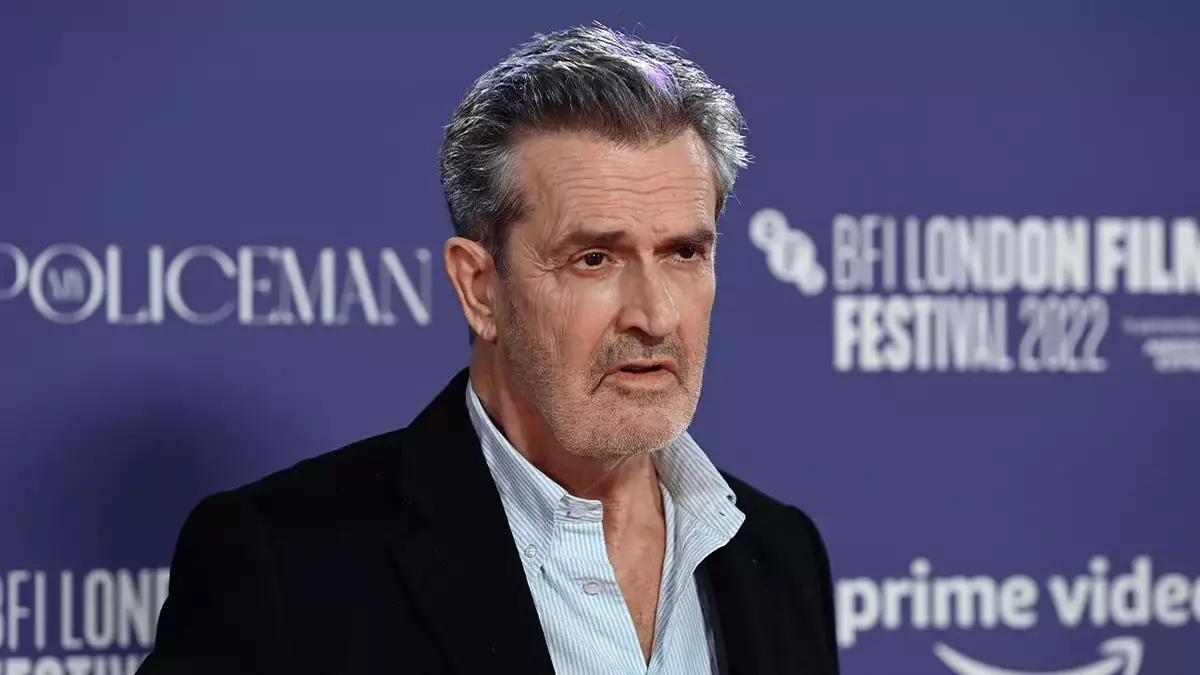
Veteran British actor Rupert Everett has opened up about the lasting physical consequences of striving for an ideal body early in his career. His dedication to achieving a specific physique for various roles ultimately led to significant musculoskeletal problems, leaving him nearly incapacitated. This revelation sheds light on the pressures actors face and the potential long-term health sacrifices made in the pursuit of perfection.
Actor Rupert Everett Discusses Long-Term Health Impact of Body Transformation Efforts
In a candid interview with The Guardian, published on June 1, 2026, acclaimed actor Rupert Everett revealed the profound impact his early career's physical demands have had on his health. The 67-year-old star, known for films such as My Best Friend's Wedding, admitted that his intense efforts to achieve a 'perfect' body through weightlifting, coupled with a disregard for proper stretching and technique, have resulted in him being 'almost crippled' today. He lamented his past negligence, stating that his current musculoskeletal issues are a direct consequence of those decisions. Everett, who gained prominence in the 1980s with roles in Another Country and Dance with a Stranger, and later achieved wider recognition in Hollywood, also shared a fascinating detail about his early acting days. He confessed to frequently wearing specially constructed bodysuits, made by two individuals in Tufnell Park, to give the illusion of a more muscular physique. These custom-made garments, which included false bottoms, calves, and shoulders, were worn in nearly all his early performances, unbeknownst to the directors and production teams. Everett recounted attending costume fittings fully adorned in these enhancements. His comments resonate with similar experiences shared by other Hollywood figures, such as Robert Pattinson, who recently defended his physique in 2022's The Batman against public criticism, highlighting the pervasive pressure on actors to maintain a certain physical standard.
Everett's experience serves as a powerful reminder of the often-unseen struggles actors endure to meet industry expectations regarding physical appearance. It prompts a broader discussion about the health and wellness of performers, and the importance of sustainable practices over short-term aesthetic gains. His story underscores the need for greater awareness and support within the entertainment industry to safeguard the long-term well-being of its talents, advocating for a culture that prioritizes health over potentially harmful physical transformations.