Rio de Janeiro is embarking on a transformative journey for its creative sectors, with Mayor Eduardo Cavaliere championing a substantial $45 million investment package. This financial commitment, slated for implementation by 2028, is aimed at comprehensively bolstering the city's cultural, cinematic, and television industries. The strategic allocation of funds will support a diverse range of public policies, grant opportunities, and innovative programs, all designed to cultivate growth, enhance accessibility, and establish Rio as a prominent international center for artistic and audiovisual production.
Rio de Janeiro's Strategic Investment in Creative Industries Unveiled at Rio2C
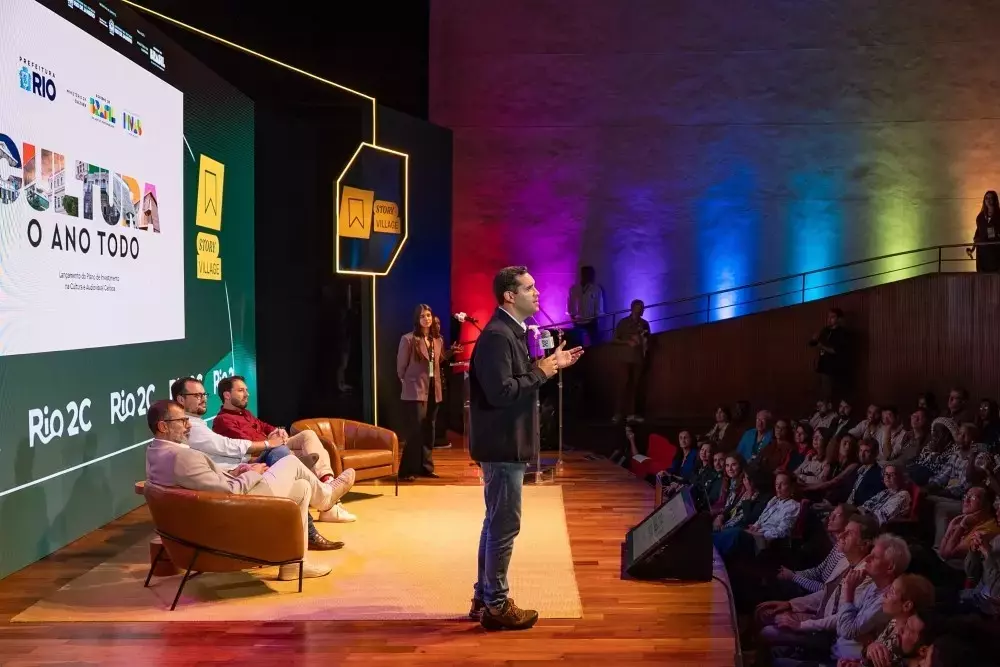
On May 28, during the illustrious Rio2C event, Latin America's largest gathering for creativity, Mayor Eduardo Cavaliere of Rio de Janeiro publicly launched an ambitious 225 million Brazilian Real (approximately $45 million USD) investment plan. This significant financial injection, earmarked for deployment through 2028, is dedicated to nurturing the city's vibrant cultural and audiovisual sectors. The announcement took place during the "Culture All Year Round" panel, featuring key figures such as Márcio Tavares, Executive Secretary of Brazil's Ministry of Culture; Lucas Padilha, Rio's Secretary of Culture; Leonardo Edde, President of Riofilme; and Renata Magalhães, President of the Brazilian Cinema Academy.
This comprehensive initiative, officially named the "Plan for Culture and the Audiovisual Industry in Rio de Janeiro," is multifaceted. Its core objectives include broadening access to financial resources for creative projects, providing robust support for cultural institutions, and ultimately solidifying Rio de Janeiro's reputation as a leading hub for cultural and audiovisual content creation. Mayor Cavaliere emphasized the profound impact of this investment, stating, “We have signed the release of a record investment that places the city of Rio in a leading position within the highly important audiovisual industry. This investment will make hundreds of productions possible. The industry generates jobs, creates income and, especially, makes Rio de Janeiro a relevant place in the world.”
A cornerstone of the plan is the introduction of a groundbreaking continuous-flow funding policy. This innovative model will feature ongoing grant calls with four selection cycles annually, each designed to approve up to eight projects. This approach aims to streamline and accelerate the approval and payment processes for grants, thereby strengthening cultural institutions and fostering a more dynamic creative environment. The funding will also support research and artistic residency programs, awards celebrating popular and urban cultural expressions, initiatives for archives and memory preservation, recognition programs for masters of popular culture, and the development of educational and cultural centers like the Library of Knowledge on Praça Onze square and the Rio Africas Cultural Center in Cais do Valongo.
Cavaliere further highlighted the strategic importance of the audiovisual sector, remarking, “The audiovisual industry is strategic for our country and gives Brazil a major leadership role. International productions have been seeking out Rio de Janeiro as a filming location. It is an industry that needs encouragement, and we continue to grow with it, moving forward and making Rio de Janeiro increasingly the audiovisual capital of Brazil and the world.” The Mayor's vision underscores a proactive commitment to establishing Rio de Janeiro as a global leader in creative production, fostering economic growth, and celebrating its rich cultural heritage.
The proactive investment by Rio de Janeiro's municipal government into its creative industries presents a compelling model for urban development. By recognizing culture and audiovisual production not just as artistic endeavors but as significant economic drivers, the city is strategically positioning itself for future growth and global prominence. This initiative serves as an important reminder that supporting the arts extends beyond cultural enrichment; it is a powerful catalyst for job creation, economic diversification, and enhancing a city's international appeal. Other cities could draw inspiration from Rio's commitment to creating a sustainable ecosystem for its creative talents, demonstrating how governmental support can unlock immense potential and foster a vibrant, innovative urban landscape.