Once celebrated for their unwavering quality and compelling narratives, reality television stalwarts 'Survivor' and 'Top Chef' are currently navigating a turbulent period. Recent seasons have introduced controversial elements and production missteps, raising concerns among long-time viewers about the future direction of these popular series. The integrity of the gameplay and the overall viewing experience have been impacted, prompting a critical examination of how these shows can recapture their former glory.
Both 'Survivor' and 'Top Chef' have historically provided consistent comfort and entertainment to their dedicated fan bases. However, the introduction of fan-influenced challenges and a perceived overreliance on convoluted twists have led to a noticeable decline in quality. This shift has disrupted the traditional dynamics that made these shows so engaging, leaving many questioning whether these issues are merely temporary or indicative of a more fundamental problem within their creative frameworks.
The Perils of Fan-Driven Twists in Culinary Competition
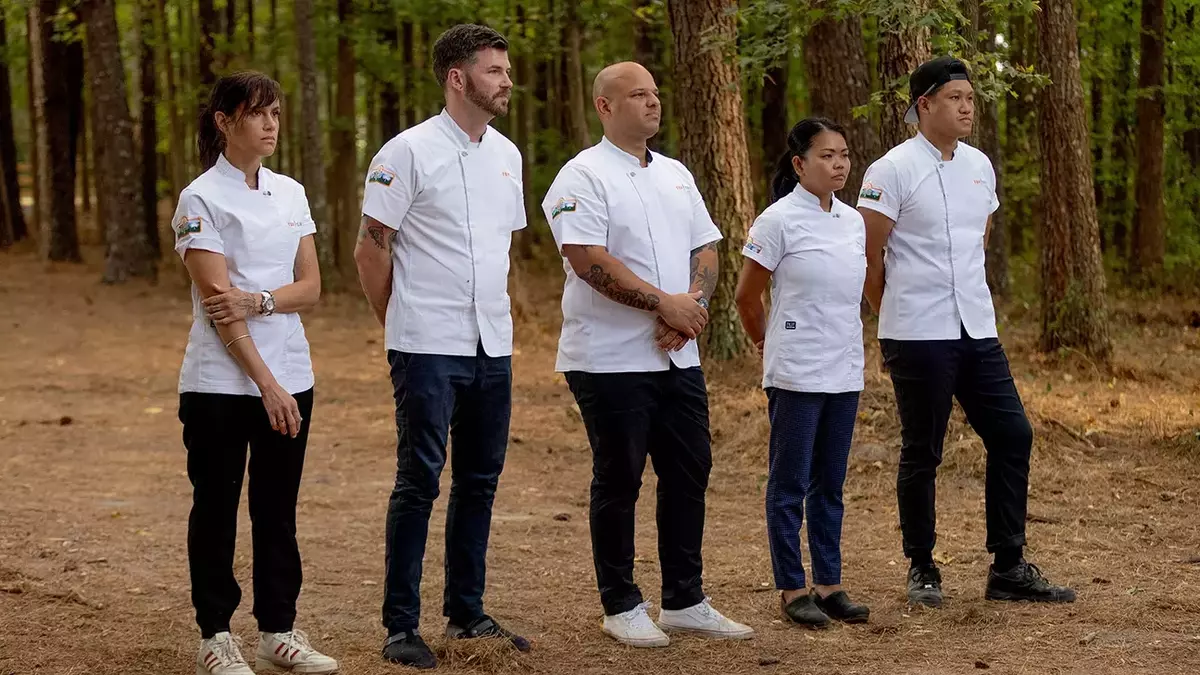
The current season of 'Top Chef' has been particularly affected by the integration of fan-voted elements, which, while intended to engage the audience, have instead compromised the show's core competitive structure. A striking example involved a quickfire challenge where fans dictated not only ingredients and cooking times but also a disruptive twist requiring chefs to switch workstations mid-task. This arbitrary rule led to a scenario where judges critiqued dishes started by one chef but finished by another, creating confusion and undermining the concept of individual culinary achievement. The resulting award of a prize to a chef who primarily inherited and plated another's work highlighted a profound disconnect between production's intent and the actual outcome, frustrating both contestants and viewers.
This fan-driven interference extended beyond mere inconvenience, exposing critical flaws in the show's judgment and fairness. The episode revealed how quickly a seemingly harmless audience participation idea could devolve into an unfair spectacle, where deserving chefs felt robbed of recognition and those who benefited undeservedly faced awkward accolades. Furthermore, the season's chosen location in the Carolinas failed to offer unique cultural or culinary tasks, compounding the sense of stagnation. Paired with gimmicky casting choices like twin and husband-wife chef duos who ultimately delivered mediocre performances, 'Top Chef' has presented a series of missteps that suggest a struggle to maintain its creative edge and uphold its reputation for rigorous culinary competition.
Survivor's Shift: From Strategic Game to Chaotic Spectacle
The latest iteration of 'Survivor' has strayed significantly from its established formula, transforming from a game of strategy and social dynamics into an unpredictable and often nonsensical spectacle. While promoted as a fan-centric season bringing back beloved players, it paradoxically introduced an overwhelming number of hidden immunity idols, advantages, and bizarre celebrity tie-ins, diluting the strategic depth that viewers have come to expect. This overabundance of twists meant that gameplay was frequently dictated by chance encounters with hidden items rather than genuine strategic prowess or social maneuvering, creating a feeling of arbitrary chaos rather than compelling competition. The show's deviation from its roots, favoring constant disruption over a balanced display of skill, has alienated many long-time fans who prefer a more merit-based competitive environment.
Compounding these issues, the show's long-standing host, Jeff Probst, has seemingly transitioned from a neutral facilitator to an active participant and shaper of the narrative, further altering the show's dynamic. His increased involvement, from participating in challenges to openly advocating for contestants at tribal council, has blurred the lines between host and game influencer. This shift, combined with the continued use of Fiji as the sole filming location, has led to a visual and thematic repetitiveness that undermines the adventurous spirit of the show. The cumulative effect of these changes has rendered 'Survivor' less a test of survival and strategy and more a chaotic, producer-driven event, leaving many viewers questioning whether the series can ever return to the form that once made it compelling "comfort television."