Trending Searches
Porsche's 911 Future: No Full Electrification, Focus on Hybrid Power

Porsche has made a definitive statement regarding the future of its flagship 911 sports car: a fully electric variant is not in the pipeline. This decision, conveyed by CEO Michael Leiters, underscores the brand's commitment to preserving the traditional essence of the 911, even as the automotive industry increasingly shifts towards electrification. However, this doesn't mean the 911 will remain untouched by evolving powertrain technologies; hybrid systems are being actively integrated to boost performance and efficiency, illustrating a nuanced approach to innovation within the storied model line.
The announcement from Porsche's CEO, Michael Leiters, came during an event hosted by the German publication Auto Motor und Sport, with initial reports by the German news agency dpa. While the statement firmly ruled out a completely electric 911, it left some room for interpretation regarding the long-term strategy for the iconic vehicle. The core message, however, is clear: enthusiasts should not anticipate a battery-only 911 in the foreseeable future. This stance contrasts with some of Porsche's other models, where electrification plans have seen more flexibility. For instance, the next-generation 718 series, initially conceptualized as an electric-only platform, is now being redesigned to accommodate traditional combustion engines alongside electric options. Furthermore, Porsche is planning to introduce a new combustion-powered SUV, indicating a diversified approach to its future product portfolio that extends beyond full electric conversion.
In lieu of full electrification, Porsche is channeling its efforts into advanced hybrid technologies for the 911. The 2025 911 GTS and the 2026 911 Turbo S are prime examples, both incorporating Porsche's innovative T-Hybrid system. This sophisticated powertrain integrates an electric motor within the eight-speed dual-clutch transaxle, working in concert with electrically assisted turbos and a 3.6-liter flat-six engine. This setup is designed to enhance performance significantly, with the new Turbo S capable of accelerating to 60 mph in a mere two seconds. While some traditionalists might express concerns over the added weight and complexity of such systems, the undeniable performance gains offer a compelling argument for this hybrid direction. This strategy allows Porsche to embrace modern technological advancements while upholding the high-performance legacy and distinctive driving experience that define the 911.
The 911 continues to be a crucial pillar of Porsche's brand identity and a strong performer in terms of sales, even as the company's SUV offerings like the Macan and Cayenne contribute significantly more to overall volume. In a recent sales year, the 911 recorded robust figures, selling 13,574 units, demonstrating its enduring appeal and importance to the marque. This strong market presence reinforces Porsche's careful consideration in adapting the 911 for the future, opting for a path that integrates hybrid innovation rather than a complete overhaul to electric, thereby safeguarding its unique character and heritage.
Related Articles
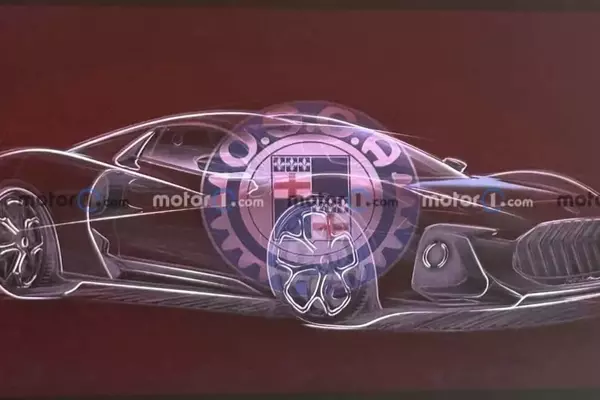
Italian Automaker Osca Revives with New Sports Car, Potentially Lotus-Based
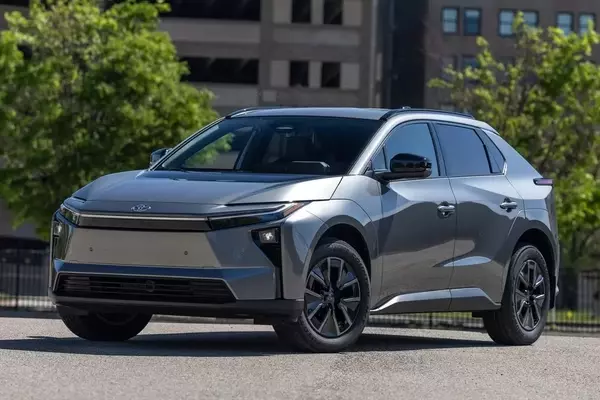
2026 Toyota bZ: Redefining Electric Compact SUVs with Enhanced Performance and Charging