Trending Searches
Nintendo's Stance Against Scalpers Amidst Console Price Hikes

The gaming industry is currently facing significant challenges due to rising hardware costs, largely influenced by an increased demand for AI data center components and various other market fluctuations. In response to these pressures and to protect consumers, Nintendo has introduced stringent measures aimed at curbing the activities of scalpers who are artificially inflating the price of its highly anticipated Switch 2 console.
This proactive approach by Nintendo comes at a crucial time, as the cost of gaming hardware continues to climb across the board. The company's efforts to stabilize prices and ensure fair access for genuine gamers are particularly noteworthy, especially when considering the broader trend of console manufacturers increasing prices for both new hardware and existing services. The global scarcity of Random Access Memory (RAM), primarily driven by the tech industry's intense focus on AI development, has created a ripple effect, pushing up manufacturing costs and subsequently consumer prices for various electronic devices, including gaming consoles. In this environment, Nintendo's decisive actions offer a glimmer of hope for consumers seeking to acquire the latest gaming technology without falling prey to exploitative pricing practices.
Nintendo's Anti-Scalping Strategy for Switch 2
Nintendo of Japan has implemented a new policy to deter scalpers from exploiting the demand for the multi-language version of the Nintendo Switch 2. This strategy requires purchasers to have a Nintendo Account with a minimum of 50 hours of playtime on their original Nintendo Switch, excluding demos and free software, and limits purchases to one console per account. This move directly addresses the issue of scalpers buying consoles in bulk from Japan to resell at inflated prices, capitalizing on the weakened yen's purchasing power. By canceling suspicious transactions and enforcing these restrictions, Nintendo aims to ensure fair distribution and pricing for legitimate consumers, especially ahead of a scheduled $50 price increase for the console.
The company's decision stems from a noticeable surge in multi-language Switch 2 sales through its Japanese online store, primarily driven by scalpers leveraging the favorable exchange rate. This phenomenon led to concerns about market manipulation and accessibility for genuine gamers. Nintendo's response, which includes the cancellation of suspected fraudulent orders and the introduction of account-based purchase limits tied to verified playtime, is designed to create a more equitable purchasing environment. These measures specifically target the multi-language variant, as the Japan-exclusive version, which only supports Japanese text, has not been a target for scalpers. This intervention is particularly timely given the upcoming price adjustment, ensuring that genuine customers are not further burdened by artificial price inflation before the official price hike takes effect.
The Broader Impact of Hardware Shortages on the Gaming Industry
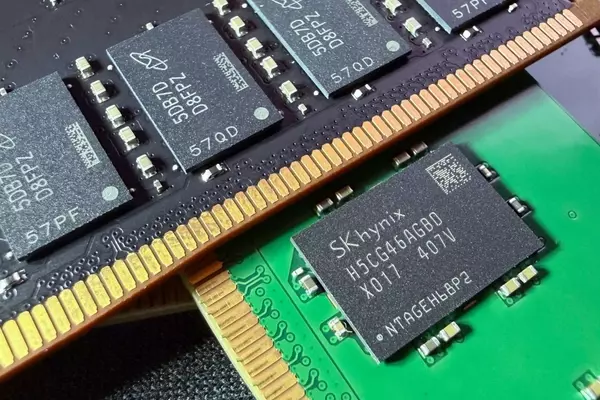
The current global shortage of RAM, fueled by the aggressive expansion of AI data centers, has significantly impacted the gaming hardware market, leading to widespread price increases for consoles across the industry. Nintendo's efforts to combat scalping for the Switch 2 are set against a backdrop of similar price adjustments by other major console manufacturers. Sony, for instance, has progressively raised the price of the PlayStation 5, making it considerably more expensive than its launch price. Similarly, Microsoft has increased the cost of its Xbox Series X, and Valve has implemented substantial price hikes for its Steam Deck models. This challenging economic landscape for gaming hardware underscores the importance of Nintendo's anti-scalping measures as a means to mitigate further consumer burden.
This dire situation extends beyond just new console purchases, affecting existing users as well, with console manufacturers seeking to maximize revenue from their current customer base. Last month, Sony announced a price increase across all tiers of its PlayStation Plus online service, illustrating a broader industry trend where rising hardware costs translate into higher service fees for consumers. The pervasive RAM shortage, largely attributed to the rapid growth of AI technology and its massive computational demands, has created a supply-side crunch that has reverberated throughout the electronics sector. In this volatile market, where gaming hardware is becoming increasingly expensive, Nintendo's proactive steps to safeguard its consumers from opportunistic scalpers represent a rare positive development, offering a degree of relief amidst a period of escalating costs for gamers worldwide.