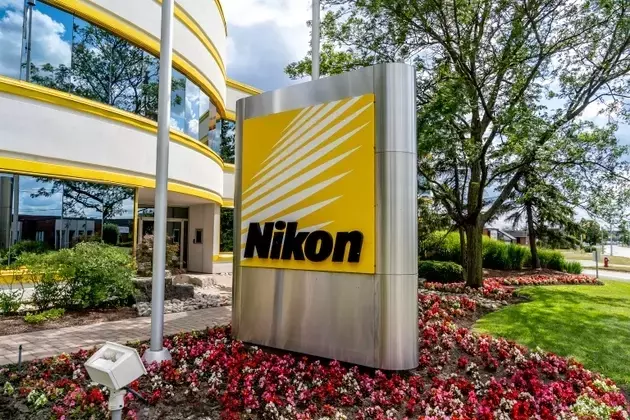
Nikon's Reorientation: Charting a New Course
Strategic Business Evolution
Nikon, a renowned name in optics and imaging, is strategically realigning its business focus. The company is intensifying its concentration on semiconductor lithography, a critical technology for chip manufacturing, alongside ventures into digital lithography, advanced cinema cameras, and large-format metal 3D printing. This repositioning is a response to a need for stronger financial foundations and diversified revenue streams.
Financial Performance and Outlook
The fiscal year 2026 was particularly difficult for Nikon, marked by substantial losses. However, the company's guidance for fiscal year 2027 suggests a potential recovery, projecting an improvement in financial health. Despite this positive trajectory, the anticipated operating margins remain notably slim, at approximately 1.35%, and the dividend payout has been reduced by half. These figures highlight the ongoing challenges and the cautious approach Nikon is taking toward its financial future.
Market Valuation and Competitive Landscape
In the current market, Nikon's stock (NINOF) is observed to trade at higher EBITDA multiples but lower margins when compared to its competitor Canon. While it appears more economically valued than ASML when considering sales multiples, this does not automatically make it a more attractive investment. The analysis suggests that Nikon's valuation requires a deeper look beyond surface-level comparisons.
The Promise of ArF Lithography and Future Growth
A significant opportunity lies in ArF lithography, a technology crucial for producing advanced semiconductors. This area holds considerable promise for Nikon. However, for a substantial re-evaluation of its stock and sustained growth, Nikon needs to demonstrate greater customer diversification and secure concrete order flows that extend beyond its current reliance on major clients like Intel. This strategic imperative will be key to unlocking its full market potential.