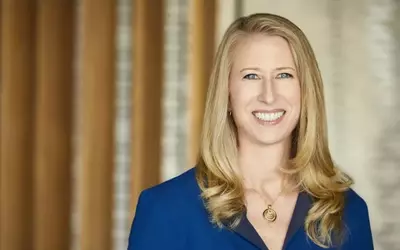
At the recent Enders TMT Leaders Live conference in London, Larry Tanz, Netflix's Vice President of Content for Europe, the Middle East, and Africa, articulated the streaming giant's firm stance on emerging regulations concerning artificial intelligence and content investment. He underscored Netflix's substantial contributions to the British film and television sector, highlighting that such regulations, if not carefully considered, could inadvertently impede creative freedom and favor established media conglomerates.
Netflix's European Content Strategy and Regulatory Concerns
On a bright Thursday in London, Larry Tanz, Netflix's Vice President of Content for Europe, the Middle East, and Africa, addressed attendees at the Enders TMT Leaders Live conference. Tanz proudly highlighted Netflix's extensive investment in the British creative industry, revealing that since 2016, the company has filmed in over 225 cities and towns across the UK. He emphasized that Netflix acts as an 'additive' force, reinvesting revenues directly into local programming rather than channeling profits back to the U.S. This strategy has yielded global successes like 'Adolescence' and 'Baby Reindeer,' which resonated strongly with British audiences before captivating viewers worldwide. Tanz unequivocally stated, "We do not accept the argument that Netflix is simply passing through. We are part of the industry."
However, Tanz shifted to express serious reservations about potential regulations targeting AI and content investment, cautioning that such rules could eventually "dictate not just how much we invest but what we make." He argued that a 'one-size-fits-all' regulatory approach might deter Netflix from taking creative risks on novel and diverse voices, thereby consolidating opportunities within large media organizations, private equity firms, and sovereign wealth funds. This concern emerged following discussions earlier in the week where 'Peaky Blinders' creator Steven Knight advocated for global streamers to financially support the UK production sector. Knight's suggestion aligns with a parliamentary committee's recommendation last year for a 5 percent levy on UK subscriber revenue from foreign streamers to fund British drama. Netflix has previously opposed such levies, advocating instead for incentives that encourage investment and success.
Regarding AI, Tanz outlined Netflix's cautious but clear principles: robust copyright protection, fair compensation, and explicit consent for digital replicas. He views AI as an enhancement of existing tools, not a substitute for human ingenuity, asserting that "Our north star is, and always will be, quality driven by talent." He added that any new technology, including AI, must ultimately serve to help creators craft better stories and make them more accessible to audiences. Tanz concluded by reflecting on how the TV industry has transformed Netflix, making it "more local, more responsible, and more ambitious" in its vision for the industry's future.
This discussion sheds light on the delicate balance between fostering local content creation, enabling technological innovation like AI, and navigating the complexities of regulatory frameworks. Netflix's approach emphasizes a collaborative ecosystem that supports human creativity while leveraging technological advancements, urging policymakers to consider the long-term impact on entrepreneurship and artistic freedom. The debate over how streaming giants contribute to and are regulated within national creative economies remains a critical point of contention, influencing the future landscape of global entertainment.