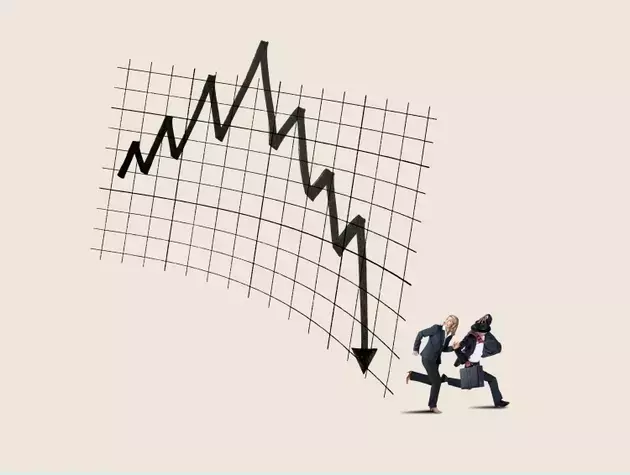
The stock market currently exhibits exceptionally high valuations, with the S&P 500's cyclically adjusted P/E ratio and market capitalization to GDP ratio nearing their all-time peaks. This elevated state is largely fueled by a powerful, tech-driven narrative centered on artificial intelligence, which places significant reliance on future growth expectations, leaving little room for investment missteps. Consequently, the earnings yield on equities has fallen below that of Treasury bonds, shrinking the equity risk premium and undermining the fundamental rationale for long-term equity investments. This market environment suggests a prudent approach of realizing gains and exploring new investment opportunities, as the prevailing conditions offer an unfavorable balance of risk and reward. For those considering short positions, options trading is recommended to manage potential exposure effectively.
The financial markets are presently on an unprecedented trajectory, where traditional correlations between economic indicators and market fundamentals seem to be increasingly disregarded. Despite a substantial increase in interest rates over recent years, a factor that historically dampens market enthusiasm, the equity markets have continued their ascent, exhibiting a resilience that defies conventional economic logic. This disconnect raises questions about the sustainability of current market trends and the underlying drivers of investor behavior.
A significant contributing factor to this unusual market behavior is the pervasive influence of speculation and abundant liquidity. Large infusions of capital into the market, coupled with speculative trading activities, can inflate asset prices beyond their intrinsic values, creating a feedback loop that sustains upward momentum regardless of underlying economic health. This environment can lead to periods of irrational exuberance, where investment decisions are driven more by herd mentality and momentum than by rigorous fundamental analysis. The primary risk in such a market is the potential for further escalation, where prices continue to climb, pushing valuations to even more extreme levels before an inevitable correction. This scenario presents a dilemma for investors, as exiting too early could mean missing out on further gains, while staying invested too long could expose them to significant losses when the market eventually rebalances.
Given the current market dynamics, characterized by historic valuations and a diminished equity risk premium, investors should prioritize caution and strategic repositioning. It is advisable to review existing portfolios, lock in profits from highly appreciated assets, particularly in the technology sector, and redeploy capital into opportunities that offer more favorable risk-adjusted returns. This might involve exploring asset classes less susceptible to the current speculative fervor or adopting a more defensive posture. For those inclined to hedge against potential downturns, utilizing options can provide a structured way to gain short exposure without the unlimited downside risk associated with direct short selling. Ultimately, maintaining a disciplined approach and recognizing the potential for market irrationality are crucial in navigating this unique investment landscape.