The NAND flash memory industry has recently experienced an astonishing financial upturn, with revenues reaching an unprecedented $46 billion in the first quarter of 2026. This monumental figure represents a more than three-fold increase compared to the same period last year, underscoring a significant shift in the semiconductor market. This dramatic surge is largely attributed to the insatiable demand for high-performance solid-state drives (SSDs) destined for artificial intelligence (AI) data centers, a trend that is rapidly reshaping the technology landscape.
The Unprecedented Surge in NAND Flash Market
In a groundbreaking report from Counterpoint Research, the financial health of the NAND flash industry revealed an explosive growth trajectory. The total revenues for the first quarter of 2026 surpassed the entire earnings of 2023, a testament to the colossal demand fueling this sector. This remarkable financial performance is directly linked to the booming AI industry, which relies heavily on advanced storage solutions to process vast amounts of data. Enterprise-grade SSDs now constitute a substantial 40% of the overall NAND flash market, a share projected to exceed 60% by the end of the year. This escalating demand inevitably exerts upward pressure on prices across the board, affecting everything from personal computers and laptops to smartphones and tablets, all of which utilize SSDs as their primary storage medium.
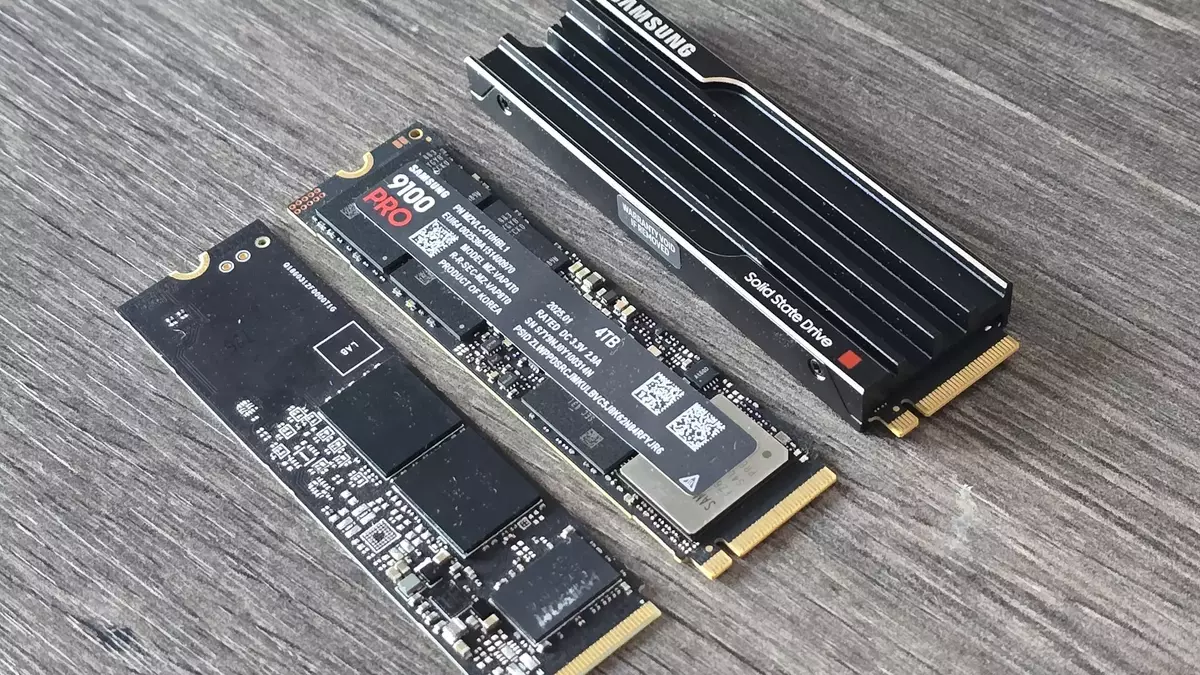
The current market dynamics are causing considerable apprehension among consumers and industry observers. For instance, the cost of high-capacity gaming SSDs has seen a sharp increase, with a 1 TB WD Black SN850X, once priced at $100, now commanding over $230. Smaller players in the NAND flash industry are also capitalizing on this boom, with China’s YMTC notably expanding its market share from 8% in Q1 2025 to 13% in Q1 2026, placing it on par with established giants like SanDisk and Micron.
As AI demand shows no signs of abating and memory manufacturers face challenges in scaling up production until well into next year, the upward trend in gaming SSD prices is expected to continue. This situation poses a critical question for the PC industry: how much more can prices climb before reaching a breaking point, potentially straining affordability and accessibility for mainstream consumers? The recent price hike of devices like the Steam Deck, with the 1 TB model now costing $949, exemplifies the broader impact of memory and storage chip shortages. While such devices still sell out rapidly, it raises the possibility that consumers are buying now, anticipating further price increases. The long-term implications for the PC gaming ecosystem remain uncertain as the industry grapples with these unprecedented market forces.
The current state of the NAND flash market offers a stark reminder of the intricate connections within the global technology supply chain. The exponential growth of AI, while a powerful driver of innovation, has inadvertently created ripple effects that impact consumers directly. As a tech enthusiast and a long-time observer of the hardware market, I find this trend deeply concerning. The rapid increase in SSD prices could deter many from upgrading their systems or building new ones, potentially stifling innovation and growth in the personal computing sector. It highlights the urgent need for memory manufacturers to not only meet the demands of emerging technologies like AI but also to ensure a stable and affordable supply for the broader market. It's a delicate balance that, if not managed carefully, could lead to significant challenges for both consumers and the industry at large.