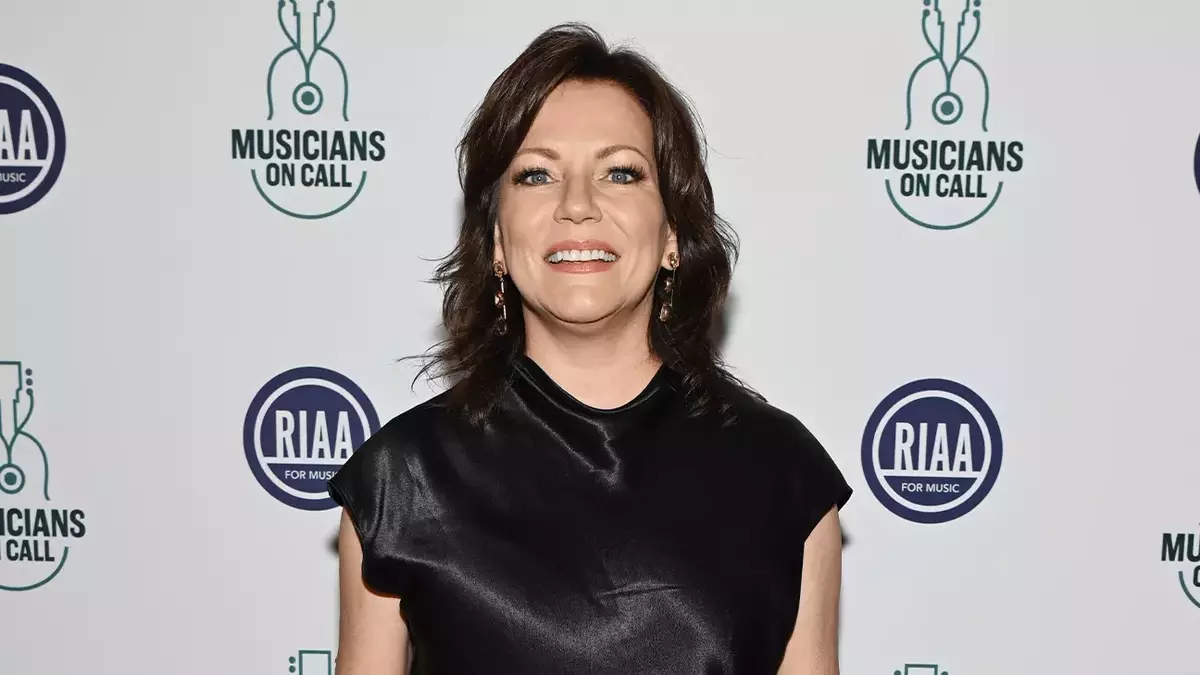
Country music star Martina McBride has announced her departure from the 'Freedom 250' concert series, an event she initially believed to be a neutral celebration of the United States. Her decision stems from a realization that the event's nature had been misrepresented, evolving into something more politically aligned than originally advertised. This incident highlights the challenges artists face when participating in events that may shift in focus, and their commitment to their audience's expectations. McBride's withdrawal is part of a larger trend, as other musical acts have also chosen to distance themselves from the series due to similar concerns.
This situation underscores the importance of transparency in event organization and the potential impact of political associations on artistic performances. For artists like McBride, maintaining a connection with a diverse fan base often means carefully navigating events that could be perceived as divisive. The controversy surrounding the 'Freedom 250' series serves as a reminder that even events initially presented as unifying can quickly become subjects of public debate, influencing artists' participation and public perception.
Artist's Disentanglement from Misleading Event
Martina McBride, a prominent figure in country music, recently revealed her decision to no longer participate in the 'Freedom 250' concert series. Her announcement, made via Instagram, clarified that her initial agreement to perform was based on the understanding that it was a nonpartisan event designed to honor all fifty states. She emphasized that she diligently sought assurances regarding the event's neutrality, perceiving it as an expanded version of the many state fairs she has graced throughout her career—gatherings focused on community spirit and regional distinctiveness. However, as the event's details began to solidify, McBride recognized a significant divergence from the original premise, leading her to conclude that the information provided was misleading.
The singer elaborated on her distress, noting her dedication to performing songs that resonate with ordinary individuals facing everyday challenges. She expressed concern that her involvement in an event that had become politically charged might alienate fans who connect with the core messages of her music. McBride firmly asserted that she has no intention of abandoning the principles embedded in her work and sincerely values the support and feedback from her audience. This episode underscores the delicate balance artists must strike between professional commitments and maintaining integrity, especially when public perception and political affiliations come into play.
Broader Implications and Artist Withdrawals
Martina McBride's withdrawal is not an isolated incident but rather part of a pattern of artists pulling out of the 'Freedom 250' concert series. Prior to her announcement, acts such as Young MC, Morris Day, and the Commodores had also decided to cancel their appearances. Even Jodie Rocco, a singer associated with Milli Vanilli, publicly questioned the inclusion of her group's name on the performer list, indicating that no consultation had taken place regarding their participation. These multiple withdrawals collectively point to widespread discomfort among artists regarding the true nature and affiliations of the event, which was reportedly organized by the 'Freedom 250' organization, linked to former President Donald Trump.
The 'Freedom 250' concert series was envisioned as a grand 16-day celebration of America's 250th anniversary, scheduled to take place on the National Mall in Washington, D.C., from June 25 to July 10. Despite the departures of several artists, some performers, including Vanilla Ice, Flo Rida, and Bret Michaels, are still slated to perform. The controversy surrounding these withdrawals highlights the increasing scrutiny musical artists face regarding their association with political figures or organizations, and the potential repercussions for their public image and relationship with their fan base. The shifting landscape of public events now demands a higher degree of diligence from artists and their teams to ensure alignment with their values and expectations.