Trending Searches
Hollywood Unions' Peaceful 2026 Negotiations: A Post-Strike Shift

The year 2026 marked a significant deviation from Hollywood's recent labor history, particularly when contrasted with the intense disputes of 2023. Instead of prolonged strikes and public disagreements, the entertainment industry witnessed an unexpectedly peaceful negotiation period between major unions and studios. This shift resulted in the prompt finalization of new agreements, largely attributed to the industry's economic downturn, critical health plan needs for union members, and a change in leadership among key negotiating bodies. While the tranquility of 2026 was notable, it remains to be seen whether this collaborative approach will persist in subsequent bargaining cycles.
The Directors Guild of America (DGA) was among the last to conclude its negotiations in 2026, sealing a tentative deal with Hollywood studios and streaming platforms without much public drama. This outcome, though still subject to ratification, was widely anticipated, aligning with the DGA's historically more measured approach to labor relations. However, even unions known for more assertive tactics, such as SAG-AFTRA and the Writers Guild of America (WGA), adopted a strikingly subdued posture during their 2026 discussions. This was a stark departure for the WGA, which famously organized large-scale demonstrations in 2007-2008, showcasing its vigorous advocacy for members' rights.
A key factor contributing to the calm atmosphere was the extended four-year contract terms agreed upon by all unions, a concession to the studios and streamers operating under the Association of Motion Picture and Television Producers (AMPTP). This longer duration aimed to provide a period of stability until 2030. Unions accepted these extended terms in exchange for enhanced benefits for their members. The success of this strategy is evident in the overwhelming member approval rates for the WGA and SAG-AFTRA contracts, both exceeding 90 percent.
Several underlying reasons fueled this peaceful resolution. The entertainment industry had been experiencing a significant contraction since 2022, leading to reduced production slates and fewer job opportunities. Reports indicated a substantial drop in entertainment sector employment in Los Angeles, making unionized workers hesitant to risk further disruption through another strike. Additionally, many unions faced pressing financial needs for their health plans. The WGA's health plan, for instance, incurred significant losses in previous fiscal years, necessitating a major investment. The negotiations proved fruitful in this regard, with the WGA securing a substantial financial injection into its health plan.
New leadership also played a pivotal role. The AMPTP welcomed Greg Hessinger as its new president in 2025, bringing a wealth of experience from both sides of the bargaining table. Union negotiators reported a tangible shift in the studios' willingness to engage constructively. Simultaneously, several unions saw new leaders take the helm, such as Michele Mulroney at WGA West and Sean Astin at SAG-AFTRA, who adopted a more diplomatic tone from the outset of negotiations. Astin, in particular, emphasized that bargaining did not need to be a "dramatic process."
The calm negotiation landscape of 2026 was a confluence of unique circumstances, including economic pressures within the industry, critical needs for union health benefits, and a change in leadership attitudes on both sides. While this year demonstrated the capacity for cordial dialogue between unions and studios, it is understood that such peace may be temporary. As the industry evolves, and each side recalibrates its priorities, the dynamic could easily revert to more confrontational approaches. After all, the entertainment sector is adept at creating compelling narratives, both on and off-screen.
Related Articles
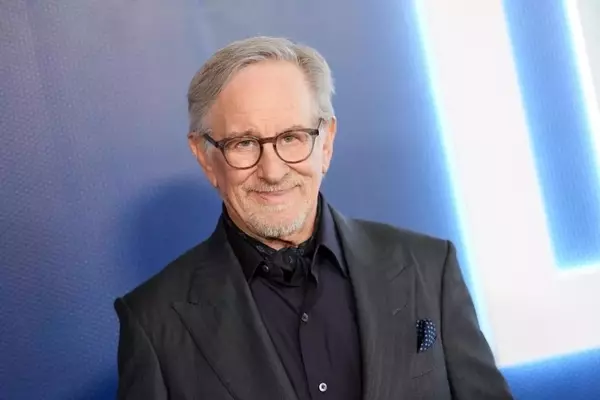
Spielberg's Bond Aspirations and Creative Path
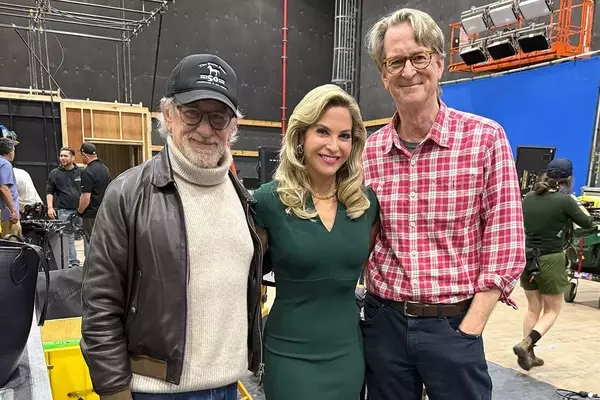
NewsNation Correspondent Jessica Kartalija's Unexpected Role in Steven Spielberg's 'Disclosure Day'