The recent theatrical release of 'The Mandalorian and Grogu' has sparked a significant conversation about the direction of the Star Wars cinematic universe. While its box office returns were the lowest for any Star Wars film to date, earning approximately $100 million, the film's modest scope and character-focused narrative might signal a beneficial shift for the beloved franchise. This article posits that not every Star Wars movie needs to hinge on the fate of the entire galaxy; instead, a focus on smaller, more intimate stories could rejuvenate the series and appeal to a broader audience, moving beyond the grand, often overwhelming expectations set by previous trilogies.
Following the events of 'The Mandalorian's' third season on Disney Plus, the film sees Din Djarin resume his bounty hunting activities, albeit with a renewed purpose: prioritizing Grogu's upbringing. This new commitment leads him to decline morally ambiguous assignments, opting instead to collaborate with the New Republic. However, a mission requiring a favor for Hutt gangsters in exchange for vital intelligence thrusts him into a quest to locate Jabba the Hutt's estranged son. This narrative arc, focusing on a rescue mission for Rotta the Hutt, who yearns for independence from his father's criminal legacy, deviates significantly from the expansive space operas traditionally associated with Star Wars.
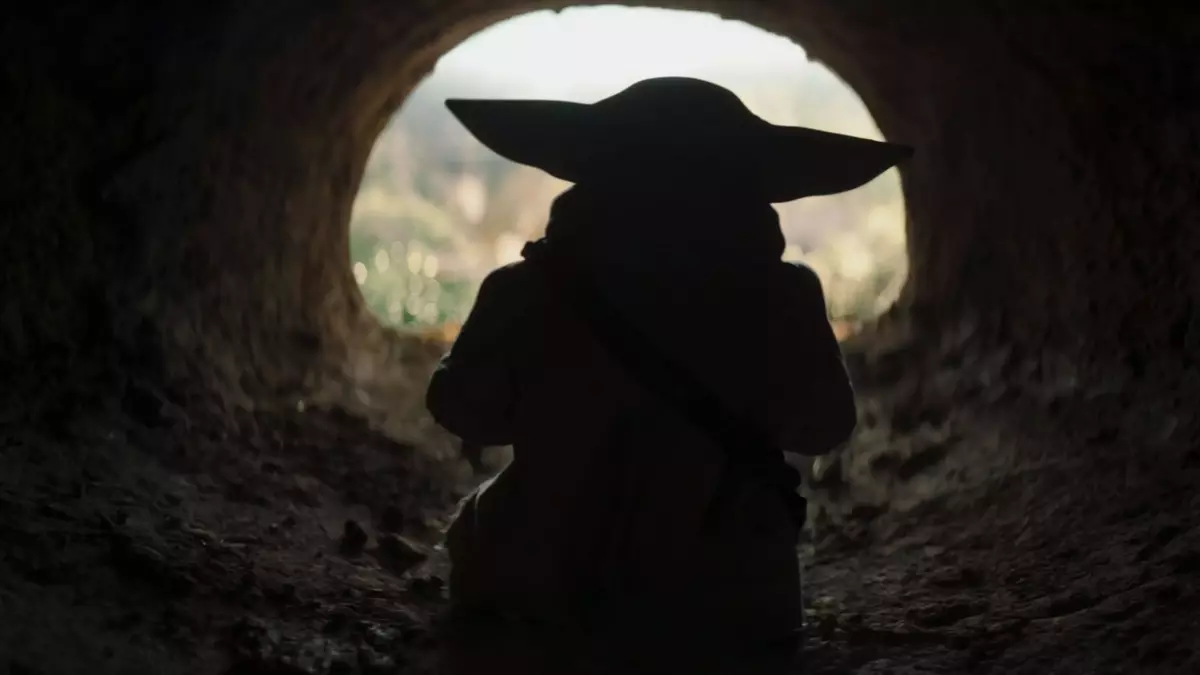
Beyond Rotta's personal journey, the film delves into Grogu's eventual destiny. Given his species' extended lifespan compared to Djarin's, director Jon Favreau utilizes this opportunity to showcase Grogu's evolving capabilities, demonstrating that he is more than just a Force-sensitive infant. The film highlights his capacity for self-preservation and even protecting Mando during perilous situations. Furthermore, it hints at a lasting bond between Grogu and Rotta, whose similarly long lifespans suggest a potential companionship extending far into the future, long after Djarin's time.
Historically, Star Wars films, from the original trilogies to 'Rogue One,' have consistently explored themes of good versus evil on a galactic scale. 'Solo: A Star Wars Story' stands as one of the few exceptions in terms of narrative scope, yet even it benefited from its direct ties to the established trilogy. While some critics argue that 'The Mandalorian and Grogu' could have functioned as an extended television season, reflecting the show's episodic nature, this perspective overlooks the potential value of cinematic experiences that prioritize individual character development and smaller-scale conflicts over universe-altering events. The question arises: what alternative exists if the franchise refrains from embracing these character-centric narratives?
The disappointing reception of the sequel trilogy, which struggled to meet colossal expectations, underscores the need for a recalibration. Continuously churning out grand trilogies risks diminishing their specialness. Instead, Lucasfilm could explore a diverse range of Star Wars narratives. Some films could still address the eternal struggle between good and evil within contained stories, similar to 'Rogue One,' while others could focus on compelling characters within the galaxy. The success of Star Wars television has already demonstrated the richness of stories beyond the Jedi-Empire conflict. Bringing these nuanced narratives to the big screen, with their captivating environments, intriguing characters, and thrilling space battles, could offer a fresh, cinematic experience, even if their stories are less monumental than traditional Star Wars fare.
The opening sequence of 'The Mandalorian and Grogu,' featuring Mando's impressive takedown of AT-AT walkers, evokes the epic grandeur of 'The Empire Strikes Back,' proving that even smaller-scale films can deliver a powerful cinematic punch. This blend of intimate storytelling with classic Star Wars spectacle could be the path forward. It is crucial that Disney avoids an overreaction to the film's lukewarm financial performance. Instead of hastily changing course, Lucasfilm should adopt a thoughtful, long-term strategy for the franchise, focusing on what truly benefits Star Wars beyond just the immediate box office returns.