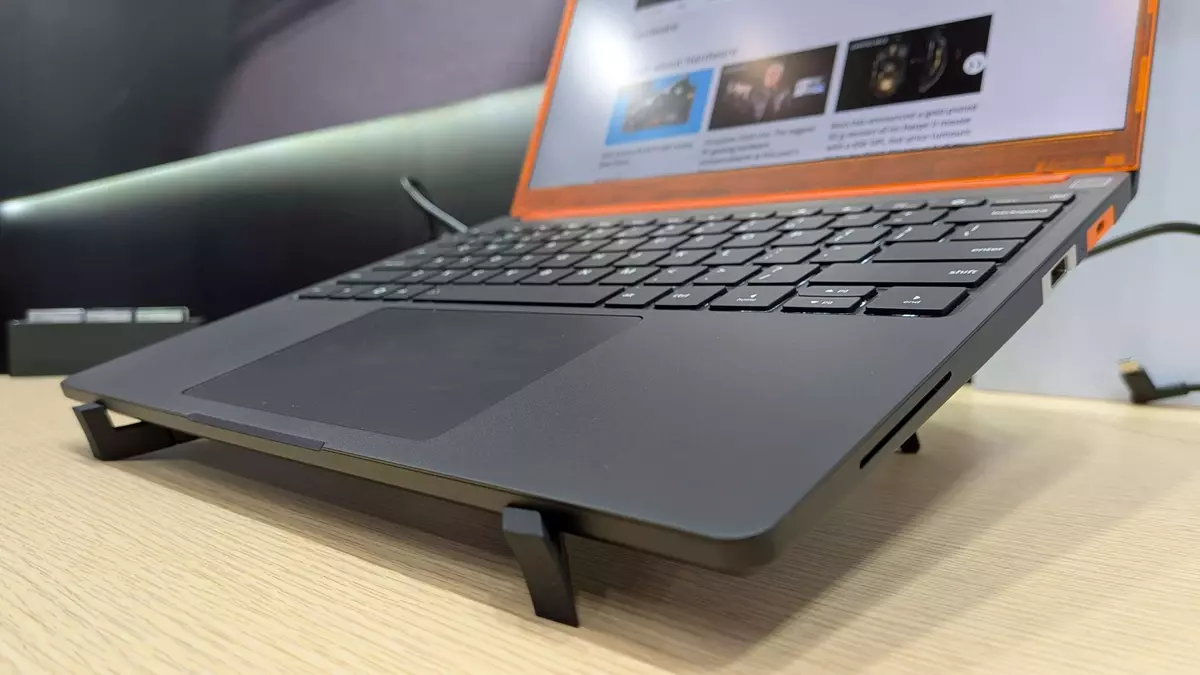
Framework's latest offering, the 13 Pro laptop, is poised to become the preferred choice for Linux enthusiasts seeking a premium computing experience akin to Apple's MacBook Pro. This new device combines a sophisticated design with advanced features, including a haptic touchpad, aimed at facilitating a seamless transition for users accustomed to MacOS hardware. While the laptop boasts an Intel Core Ultra 7 processor and an integrated B390 GPU, it's primarily tailored for software developers who value the flexibility and power of the Linux operating system. The Framework 13 Pro also upholds the brand's core values of repairability and backward compatibility, ensuring that users can integrate new components and maintain their devices with ease, a stark contrast to many mainstream manufacturers.
The enthusiastic reception from pre-orders, with Linux-configured models outselling Windows versions, underscores a significant demand for high-quality, developer-centric hardware. This trend highlights a growing segment of professionals who are gravitating towards Linux for its stability and customization options but have previously felt constrained by the aesthetic and tactile limitations of available hardware. The Framework 13 Pro addresses this gap by offering a device that not only meets the performance demands of software development but also provides a user experience that rivals the premium feel of Apple products, potentially setting a new standard for open-source friendly hardware.
Elevating the Linux Experience with Premium Hardware
The Framework 13 Pro emerges as a significant innovation in the laptop market, specifically designed to cater to the discerning tastes of Linux users and software developers who have often felt underserved by existing hardware options. Historically, premium design and robust build quality have been more readily associated with platforms like MacOS. However, Framework is challenging this norm by introducing a device that not only boasts an impressive internal specification—including an Intel Core Ultra 7 processor and an integrated B390 GPU—but also wraps it in an elegant, durable chassis. This approach directly addresses the desire among Linux advocates for a laptop that offers both high performance and a sophisticated, Apple-like feel, making the shift from proprietary operating systems a more appealing prospect.
A critical component of this premium experience is the newly incorporated haptic touchpad. This feature is particularly noteworthy for its ability to mimic the tactile feedback found in MacBook devices, a detail that many developers moving away from MacOS consider essential. The haptic feedback ensures that every click and gesture on the trackpad is consistent and responsive, enhancing the overall user interaction and reducing any potential learning curve or discomfort associated with adapting to new hardware. By focusing on these refined details, Framework aims to create a laptop that doesn't just run Linux exceptionally well but also feels inherently natural and comfortable for professionals accustomed to high-end hardware, solidifying its position as a true contender for the 'MacBook Pro for Linux users' title.
Bridging the Gap: Repairability, Compatibility, and Market Impact
Beyond its aesthetic and tactile appeal, the Framework 13 Pro champions the brand's long-standing commitment to sustainability and user empowerment through its emphasis on repairability and compatibility. Unlike many modern laptops that are designed with planned obsolescence in mind, the 13 Pro continues Framework's modular design philosophy. This means that components can be easily swapped out, upgraded, or repaired by the user, extending the device's lifespan and reducing electronic waste. Furthermore, the laptop's compatibility with Framework 13 devices from the past five years underscores a dedication to long-term value, allowing users to integrate new Pro shells with existing mainboards. This forward-thinking design philosophy not only appeals to environmentally conscious consumers but also offers significant cost savings and greater control over their technology investments, fostering a more sustainable and user-friendly ecosystem.
The market response to the Framework 13 Pro has been remarkably positive, with pre-orders showing a clear preference for Linux-preloaded versions over Windows. This unexpected sales trend is a powerful indicator of a growing demand among professionals for high-quality, open-source compatible hardware. It suggests that a significant portion of software developers and power users are actively seeking alternatives to mainstream operating systems like MacOS, driven by a desire for greater control, customization, and a system that aligns with their development workflows. The success of the Framework 13 Pro in this niche but influential market segment could inspire other manufacturers to consider similar approaches, potentially leading to a broader availability of premium, repairable, and Linux-friendly hardware options in the future. This shift represents not just a commercial triumph for Framework but also a potential catalyst for innovation and user-centric design across the entire laptop industry.