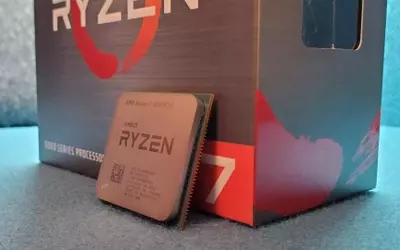
The ubiquitous presence of artificial intelligence is exerting a profound influence on the technology landscape, impacting everything from the do-it-yourself PC assembly sector to the market for portable gaming systems. This prevailing trend has led to a notable downturn in DIY PC sales and has escalated the production costs of handheld gaming devices. Consequently, certain advancements, such as Intel's potent B370 integrated graphics processor within the Panther Lake lineup, face an uncertain future regarding their availability in more accessible computing solutions. Industry experts suggest that the current economic climate, particularly concerning memory component pricing, is guiding manufacturers toward more powerful, albeit pricier, alternatives, leaving consumers with fewer budget-friendly options.
Details on AI's Influence and Chip Production Choices
During the recent Computex technology exhibition, the omnipresent discussion revolved around artificial intelligence, a topic that has dominated tech discourse for the past three years. This focus, while driving innovation in certain areas, has inadvertently reshaped the PC hardware market. According to numerous manufacturers interviewed at the event, the DIY PC building segment has experienced a substantial contraction, estimated to be between 30% and 40%. This decline, coupled with rising production expenses, has contributed to the increased price tags of popular gaming devices such as the Steam Deck and the MSI Claw, the latter potentially reaching a cost of $1,500.
A key casualty of this shift appears to be the broader adoption of Intel's Panther Lake processors in consumer-friendly devices. Specifically, the more powerful Panther Lake chips, featuring the 12 Xe-core B390 iGPU, are poised for high-end applications like the Intel Arc G3 Extreme processors, which Intel's Tom Petersen describes as essentially a GPU with an integrated CPU. However, a lesser-known but equally promising variant, the B370 integrated graphics chip with 10 Xe cores, found in the Core Ultra 5 338H, offers significant gaming performance in a potentially more affordable package. Despite its promise, the B370's integration into budget-friendly laptops and handhelds seems increasingly unlikely.
In a direct inquiry during a demonstration of the Intel Arc G3 Extreme, which was showcased across various handhelds including the MSI Claw, Acer Predator Atlas 8, and OneXPlayer 3, Mr. Petersen expressed uncertainty about manufacturers' plans to utilize the standalone Arc G3 chip. He attributed this to the current instability in DRAM pricing. With the cost difference between the B370 and B390 chips being relatively minor compared to the expense of the high-speed LPDDR5x memory (at least 7467 MT/s or faster) required by Panther Lake, manufacturers are opting for the higher-end graphics core to maximize performance return on investment.
This perspective was echoed by Nirav Patel, CEO of Framework, at Computex. When asked why Framework's new 13 Pro machine wouldn't offer a more affordable Panther Lake option, Patel stated that the company chose to go "all the way to the X versions" to ensure customers received the full GPU capability. He confirmed that this decision was influenced by the relatively small cost difference between CPU variants versus the overall system cost, largely driven by memory prices. Consequently, AI's booming demand for memory capacity is inadvertently steering the market towards premium components, thus limiting the availability of more economically viable hardware options for the average consumer.
The current trajectory of the PC hardware market, heavily influenced by the demands of artificial intelligence, highlights a crucial trade-off between performance and affordability. While innovation at the high-end is undeniable, the ripple effects on mainstream products mean that potentially excellent, more accessible technologies are being sidelined. This situation prompts reflection on the broader implications for consumer choice and market diversity in an era increasingly dominated by advanced computing paradigms.